Top Tree Service Company Akron OH - Complete Tree Care & Maintenance in Akron

Top Tree Service Company Akron OH – Complete Tree Care & Maintenance in Akron

Discover the Advantages of Tree Removal Akron OH and Regular Tree Maintenance

tree service akron ohRegular tree pruning offers numerous benefits, not only for the health of the trees themselves but also for the surrounding environment and property owners. Properly maintained trees can thrive for years while minimizing risks associated with weakened or overgrown branches. Below, we outline several health benefits of regular tree pruning.

One of the primary benefits of pruning is the prevention and management of diseases. Dead or decaying branches can harbor fungi, pests, and bacteria that spread to other parts of the tree.
– The spread of disease to healthy branches is minimized.
– Fungal growth is reduced, which could otherwise threaten other nearby trees or plants.
– Trees are better able to resist environmental stressors like drought or unfavorable weather.

Pruning also allows arborists to inspect trees closely, identifying early signs of disease before they become severe.

Overgrown branches can create dense foliage that blocks sunlight from reaching lower parts of a tree or nearby plants.
Air circulation, reducing moisture buildup that fosters mold and mildew on leaves.
Sunlight exposure, which enhances photosynthesis and ensures even growth throughout the tree’s structure.

This leads to healthier foliage and stronger overall development.

Trees that are pruned regularly develop a more balanced structure, reducing the risk of weak limb attachments or uneven weight distribution that could cause breakage under stress (e. g. , high winds).
– A well-distributed canopy that prevents stress fractures in trunks or major limbs. – Reduced risk of property damage caused by falling branches during storms. – Proper clearance from power lines or buildings, ensuring safety and longevity.

Pruning stimulates growth by removing deadwood and focusing the tree’s energy on producing new shoots in healthier areas. This is particularly important for fruiting trees as it increases yield quality over time.

Example: Benefits for Fruit Trees
Pruning Benefit Impact on Fruit Trees
Removal of old/dead wood Reduces nutrient waste
Improved sunlight exposure Enhances fruit ripening
Controlled branch density Boosts airflow for pest control

Deadwood often attracts insects like termites or beetles that can harm trees further if left untreated. Pruning eliminates these potential nesting sites while simultaneously improving visibility for monitoring pest activity throughout the year.

A well-maintained appearance not only makes your landscape more visually appealing—it also contributes indirectly to health by encouraging continued care and attention from property owners or gardeners who notice changes early on.

Regular pruning is essential for achieving a combination of structural strength, disease prevention, pest management, and aesthetic appeal in all types of trees—from ornamental varieties to towering hardwoods within your yard or commercial space.

By investing in routine tree maintenance through expert pruning techniques, you ensure their vitality lasts long into the future while contributing positively toward local ecosystems around them.

Effective Tree Pruning Akron OH Services to Protect and Preserve Your Trees

Tree cabling is a proactive arboricultural technique that involves the installation of flexible steel cables and bracing rods to provide structural support to trees. This practice not only helps protect your trees from potential damage but also extends their lifespan by reducing the risk of splitting, breaking, or collapsing. Here’s a closer look at how tree cabling can preserve and protect your trees.

Effective Stump Removal Akron OH: Strengthening Your Landscape After Tree Cabling

Trees with weak branch unions or heavy limbs are prone to structural failure, especially during storms or high winds. Tree cabling addresses these vulnerabilities by redistributing the weight and stress on branches.
Prevent splitting:Cables reduce strain on weak joints, preventing branches from splitting apart under pressure.
Minimize risk during storms:Supported limbs are less likely to break in strong winds or heavy snow.
Preserve aesthetic value:By preventing damage, cabling ensures your tree maintains its natural shape and beauty.

When Should You Call a Tree Removal Company Akron OH for Tree Cabling?

Not all trees require cabling, but certain conditions make it a highly beneficial measure:
1.Visible Weak Branch Unions:If two or more branches form a “V” shape instead of a “U,” they may be structurally weak and in need of additional reinforcement.
2.Heavy Limbs:Large, mature limbs that extend horizontally may be at risk of cracking or breaking off under their own weight. 3.Storm Damage Recovery:Trees damaged by storms but still worth preserving can benefit from cabling as part of their rehabilitation process. 4.Heritage or Valuable Trees:High-value trees that have significant historical, cultural, or ecological importance should be preserved where possible.

Advantages of Hiring a Tree Cutting Service Akron OH

Engaging professionals for tree cabling ensures optimal results while minimizing harm to your trees: https://www.treeserviceakronohpros.net/

Benefit Explanation
Proper Installation Certified arborists determine the correct placement for cables based on the tree’s structure and health.
Use of High-Quality Materials Professionals use durable materials that provide long-term support without damaging the tree’s growth pattern.
Regular Monitoring Arborists routinely inspect cabled trees to ensure they remain safe and secure over time.

Complementary Practices for Long-Term Tree Health

  • Pruning:Regular pruning removes dead or overgrown limbs that could add unnecessary weight.
  • Disease Management:Treating infections early reduces stress on weakened branches.
  • Soil Care:Ensuring proper soil nutrients promotes overall structural strength in your trees.

By taking proactive steps like tree cabling alongside routine maintenance services, property owners can safeguard their trees for years to come while enhancing safety and aesthetics in outdoor spaces.

How Tree Cabling Can Protect and Preserve Your Trees

Tree cabling is an essential practice for homeowners and property managers who want to protect and maintain the health, safety, and longevity of their trees. This proactive approach helps support structurally weak or damaged trees, ensuring they remain stable and safe over time. Below is an in-depth look at how tree cabling works, its benefits, and why it might be the right solution for your property.

What is Tree Cabling?

Tree cabling involves the use of high-strength steel cables or synthetic materials to provide additional structural support to trees. These cables are carefully installed between major branches or sections of a tree to reduce stress caused by heavy foliage, windstorms, snow loads, or other environmental factors.

Cabling typically addresses two main issues: – Splitting Limbs: Branches prone to splitting due to their size, angle of growth, or damage.
Weak Branch Unions: When two branches grow closely together without strong connective tissue (a condition commonly referred to as a “V-crotch”).

Key Benefits of Tree Cabling

  1. Tree cabling minimizes the risk of large branches breaking off during storms or under heavy snow loads.
  2. By stabilizing weak branches, damage to your property or threats to personal safety are significantly reduced.
  3. Supporting structurally compromised trees can extend their lifespan by limiting potential damage and allowing them to grow stronger over time.
  4. Some older trees hold significant aesthetic or historical value. Cabling helps preserve these trees by preventing structural failure while maintaining their natural beauty.
  5. Weak branch unions can prevent a tree from developing properly. With cabling in place, the tree can redistribute its energy more effectively toward healthy growth.

When Should You Consider Tree Cabling?

It’s crucial to know when your trees might benefit from cabling services.
– The presence of large cracks in branch unions. – Heavy limbs growing at extreme angles. – A history of broken limbs during past storms. – Leaning trees with uneven weight distribution. – Visible signs of stress on key branches (e. g. , sagging or creaking sounds).

Professional Installation Process

Tree cabling requires careful planning and expertise to ensure both effectiveness and safety:
1.Assessment– An arborist inspects the tree’s condition, identifying weak points that require reinforcement.
2.Selection– Appropriate materials like steel cables or synthetic alternatives are selected based on the tree’s structure and environment. 3.Installation– The cables are securely anchored between branches using bolts designed not to harm the tree’s internal systems. 4.Monitoring– Regular inspections ensure that cables remain effective as the tree grows over time.

Component Purpose Example Material
Anchors Secure cables into place J-lag hooks/eye bolts
Cables Provide structural support Galvanized steel cable
Thimbles Prevent wear on attachment points Stainless steel thimbles

Safety Note

It is highly recommended that only trained professionals handle tree cabling projects due to the risks involved with climbing tall trees and installing hardware properly. Improper installation can lead not only to ineffective results but also potential damage to both people and property.

Regular inspections post-installation are required since fast-growing species may outgrow hardware quickly or experience shifting weight distributions that require adjustments.

By investing in tree cabling services tailored specifically for your property’s needs, you can safeguard your landscape while ensuring your trees thrive for years ahead with stability and strength intact.

Recognizing the Importance of Preventing Disease or Decay in Trees

Maintaining the health and integrity of trees is crucial for both their longevity and the safety of the surrounding environment. Disease and decay can severely compromise trees, leading to potential hazards like falling limbs, pest infestations, or even complete tree failure. Preventing these issues not only protects the tree but also enhances the overall value and aesthetic appeal of your landscape. Here’s why recognizing and addressing disease or decay is essential, along with methods to mitigate these risks.

Indicators of Tree Disease or Decay

Early detection is key to preventing extensive damage. Regular inspections can help identify warning signs that a tree may be struggling with disease or decay.

  • Discolored Leaves: Yellowing, wilting, or brown spots can be signs of fungal infections or nutrient deficiencies.
  • Cracks in Bark: Deep fissures, peeling bark, or areas where bark is missing may indicate internal rot.
  • Dead Branches: Branches that are brittle or fail to produce leaves during active growing seasons are often symptomatic of underlying issues.
  • Fungal Growth: Mushrooms or conks growing at the base of a tree suggest decay within the trunk or root system.
  • Unusual Growths: Swollen areas (cankers) on branches and trunks could indicate bacterial or fungal infections.

Common Causes of Tree Disease and Decay

Various environmental factors and external stressors contribute to disease susceptibility in trees.

  • Improper Watering: Overwatering fosters root rot, while drought stresses trees, weakening their defenses.
  • Pests: Insects like borers and aphids can cause direct damage while spreading pathogens.
  • Mechanical Injuries: Damage from lawn equipment, storms, or construction can create entry points for diseases.
  • Poor Soil Conditions: Compacted soil reduces oxygen availability to roots; nutrient-poor soils weaken a tree’s immune response.

Steps for Preventing Tree Disease

Proactive measures go a long way in keeping trees healthy.

  1. Remove dead or diseased branches promptly to prevent further spread.
  2. Ensure cuts are clean and made at proper angles to support healing.
  3. Test soil periodically for pH levels and nutrients.
  4. Aerate compacted soils as needed.
  5. Water deeply but infrequently to encourage strong root systems.
  6. Avoid over-saturating soil as it promotes fungal growth.
  7. Use eco-friendly pest management techniques like beneficial insects or neem oil sprays when infestations occur.
  8. Certified arborists can conduct health assessments for early diagnosis of problems.
  9. Professional treatments like injections for nutrient supplementation may also be recommended.

Table: Comparison Between Diseased vs Healthy Trees

Aspect Healthy Tree Characteristics Diseased/Decaying Tree Characteristics
Leaves Vibrant color; uniform shape & size Discoloration; irregular shapes; wilting
Bark Smooth texture; intact Peeling; cracks; evidence of fungi
Growth Pattern Symmetrical canopy Uneven growth; dead patches
Root System Firm connection with soil Exposed roots; soft spots near base

The Role of Arborists in Disease Prevention

  • Conduct annual inspections using advanced diagnostic tools such as resistographs (to detect internal decay).
  • Prescribe targeted treatments such as fungicide applications tailored to specific diseases.
  • Administer structural reinforcements like cabling where necessary if decay compromises stability.

By focusing on preventive measures rather than reactive steps after significant damage has occurred, property owners ensure healthier landscapes while reducing risks associated with weakened trees. Proper care safeguards not only individual plants but also contributes positively to entire ecosystems thriving around them.

Improving Tree Structure for Longevity and Strength

Enhancing the structure of your trees is a critical part of ensuring they remain healthy, strong, and capable of withstanding environmental stresses. Proper tree care practices, including structural pruning and maintenance, can significantly improve a tree’s longevity and resilience. Below, we explore key aspects of improving tree structure to promote its strength.

The Importance of Tree Structure

A well-structured tree not only enhances a landscape’s aesthetic but also reduces the risk of structural failures such as limb breakage or total collapse.

  • Storm damage caused by heavy winds or snow.
  • Weak branch attachments that can lead to splitting.
  • Uneven weight distribution, leading to instability.

By addressing these structural issues early on, you can support the long-term health and safety of your trees.

Techniques for Improving Tree Structure

To strengthen the structure of a tree, use methods tailored to its needs and growth pattern.

  1. Target young trees for structural pruning to encourage strong branch angles and proper crown development.
  2. Remove crossing or rubbing branches that could cause wounds and weaken the tree over time.
  3. Focus on maintaining a dominant central leader (where appropriate) to provide stability.
  4. Install cables or braces in mature trees with weak crotches or heavy branches at risk of failure.
  5. Use this method as a preventive measure rather than waiting for visible signs of distress.
  6. Remove select branches to reduce wind resistance during storms.
  7. Allow more light penetration through the canopy, which encourages healthier growth throughout the tree.
  8. Address structural issues such as co-dominant stems that compete with each other.
  9. Correctively prune leaning trees where possible before they become hazardous.

Benefits of Proper Structural Maintenance

Investing in regular maintenance not only protects your property but also ensures your trees reach their full potential lifespan.

Benefit Description
Increased Stability Proper pruning reduces risks associated with weak branches or uneven growth patterns, making trees more stable under harsh weather conditions.
Enhanced Aesthetic Appeal Well-maintained branches create symmetry and balance in the canopy, enhancing curb appeal for residential or commercial properties.
Reduced Risk Regular inspection identifies potential hazards like deadwood or split limbs before they become costly problems for homeowners or businesses.
Long-Term Cost Savings Preventive measures lower expenses related to emergency removals or property damage caused by failing limbs or unstable trees

When Should You Work on Tree Structure?

  • Young Trees:Structural pruning should begin early, typically within 2–5 years after planting, when shaping methods have maximum impact without significant cutting stress.
  • Mature Trees:For older specimens prone to structural issues due to age or size, consult professional arborists who can recommend non-invasive cabling techniques alongside careful thinning.

By taking steps today to address your tree’s structure, you’ll extend its lifespan while reducing risks associated with weak formations—ultimately safeguarding both natural beauty and property value alike.

Encouraging Healthier Growth Through Proper Tree Pruning Practices

When performed correctly, it contributes to the long-term health and vitality of trees while reducing potential risks to property and people. Below, we explore how proper tree pruning encourages healthier growth and why it is an essential maintenance practice for your landscape.

Benefits of Proper Pruning for Tree Growth

Pruning involves selectively removing specific branches or stems to improve a tree’s structure, aesthetics, and health.

  • Stimulates New Growth:Removing dead or weak branches redirects energy toward new growth in healthier parts of the tree.
  • Improves Air Circulation:Pruning opens up the canopy, allowing sunlight and air to penetrate more effectively, which reduces the risk of diseases caused by poor airflow.
  • Enhances Nutrient Distribution:By reducing unnecessary weight from overgrown branches, trees can allocate nutrients more efficiently to essential areas.
  • Prevents Overcrowding:Thinning out dense foliage helps prevent competition among branches for light and resources, allowing each part of the tree to thrive better.

Best Practices for Effective Tree Pruning

  1. Prune During Dormant Seasons
    The ideal time for pruning most trees is during their dormant period (typically late winter).
  2. Use Proper Tools
    Invest in high-quality tools such as sharp pruning shears, loppers, and pole saws for clean cuts that heal quickly without causing unnecessary damage to tree tissue. Ensure tools are sanitized before use to prevent spreading diseases between trees.
  3. Avoid Over-Pruning
    Removing too much foliage at once can weaken a tree by limiting its ability to photosynthesize effectively.
  4. Remove diseased or pest-infested branches promptly.
  5. Eliminate deadwood that no longer contributes to growth.
  6. Trim crossing or rubbing branches that may cause wounds over time.

Table: Common Pruning Techniques

Technique Purpose Example Application
Crown Thinning Increases light penetration & airflow Used on mature trees with dense canopies
Crown Raising Clears low-hanging branches Improves clearance for pedestrians/vehicles
Deadwood Removal Eliminates hazards Prevents property damage from falling limbs
Crown Reduction Reduces size/height Protects against storm damage

Why Professional Assistance Matters

  • Professionals are trained in identifying structural issues or signs of disease before they escalate.
  • They have access to advanced equipment necessary for larger projects.
  • Arborists adhere strictly to best practices like those outlined by organizations such as ANSI A300 standards.

By incorporating proper pruning practices into regular maintenance routines — whether through DIY efforts guided by research or professional services — you create an environment where healthier growth thrives naturally while safeguarding both your landscape’s beauty and ecological value over time.


9 Key Signs It’s Time for Stump Removal Akron OH on Your Property

Home Addition Construction Project Tree Removal A tall maple tree is being cut and removed prior to the start of a major home addition construction project. Unfortunately, this large tree was located very close to the planned new basement foundation dig, which would cause considerable damage to its very large root system; likely eventually killing the tree. In any event, the inevitable root damage would have made the tree too dangerous to remain standing so close to the new structure. Tree removal stock pictures, royalty-free photos & images

1. Dead or Dying Tree

A tree that is no longer alive can pose significant risks as its structural integrity diminishes over time. Indicators of a dead or dying tree include:
– Lack of leaves during growing seasons
– Brittle branches that snap easily
– Bark peeling off in large patches

2. Presence of Large Dead Branches

Dead branches are not only unsightly but also dangerous. They can fall unexpectedly, potentially causing damage to property or injuring individuals nearby.

3. Fungal Growth Near the Base

Fungi such as mushrooms growing near or on the base of a tree often indicate internal decay. This decay compromises the strength of the trunk and root system.

4. Noticeable Leaning

A sudden or severe lean in a tree could signal root damage or structural weakness. Trees leaning more than 15 degrees typically require removal for safety reasons.

5. Signs of Insect Infestation

Pest infestations can weaken trees from the inside out, making them susceptible to disease and structural failure. Look for:
– Holes in the bark from boring insects
– Sawdust-like material at the base (frass)
– Visible colonies of destructive insects like termites

6. Cracks in Trunk or Major Branches

Deep cracks in the trunk or branches indicate stress within the structure of the tree, making it more likely to fall during storms.

7. Proximity to Power Lines or Structures

Trees growing too close to power lines, homes, fences, or other structures pose significant risks during storms and high winds.

Distance From Power Lines Risk Level
Less than 10 feet High
10–20 feet Moderate
Over 20 feet Low (subjective)

8. Root System Damage

Roots anchor trees and provide stability; damage to this system undermines their ability to remain upright during adverse weather conditions. Common causes include:
– Construction activities around roots
– Soil compaction from heavy machinery
– Exposed roots due to erosion

9. Storm Damage Aftermath

Severe storms often leave trees weakened with broken branches or splintered trunks that cannot recover on their own.

Choosing the Best Tree Removal Company Akron OH for Prompt Service

Ignoring these warning signs can lead to severe consequences such as property damage, injuries, and costly emergency removals later on. If you observe any of these key indicators, consulting with a professional arborist is advised for an expert assessment and safe removal if necessary.

By remaining vigilant about these signs and acting promptly when they arise, you can safeguard your property while maintaining its aesthetic appeal responsibly.

The Importance of Professional Tree Removal Akron OH for Dealing with Dead or Diseased Trees

Dead or diseased trees pose significant risks to both your property and personal safety. Recognizing these dangers and addressing them promptly can prevent damage, save costs, and ensure a safe environment for everyone on your property. Below is an overview of the potential hazards associated with such trees.

Ensuring Safety with Tree Cutting Service Akron OH

  • Falling Branches: Weak or dead branches are prone to breaking off unexpectedly, especially during storms or high winds. Falling branches can harm people, pets, vehicles, or structures.
  • Tree Collapse: A severely diseased or decayed tree may collapse entirely without warning, posing serious risks to anyone nearby.
  • Obstructed Visibility: Diseased trees may develop dense, misshapen canopies that obstruct views for drivers or pedestrians near driveways and roadways, increasing accident risks.

Property Damage Risks

  • Impact on Structures: Falling branches can damage roofs, gutters, windows, fences, sheds, and other structures on your property.
  • Root Damage: As a tree becomes unhealthy, its roots weaken and may lose their ability to anchor the tree in place. This instability could lead to the tree toppling over onto nearby structures.
  • Disease Spread: Fungal infections and pathogens from diseased trees can spread to neighboring healthy plants and landscaping features.

Increased Liability

Type of Liability Examples
Property Damage Claims Neighbors seeking compensation if falling limbs damage their property.
Injury Lawsuits Legal actions filed if someone is injured by a hazardous tree on your land.

Proactively addressing potential hazards helps mitigate these risks.

Environmental Impacts

  • They may attract pests such as termites, carpenter ants, beetles, or rodents that invade nearby trees and homes.
  • Decomposing wood from a dying tree releases greenhouse gases like methane if not handled appropriately.

Why Professional Help is Essential

  1. Accurate Diagnosis: Experts examine signs like decay patterns in trunks or fungal growths to determine whether removal is necessary.
  2. Safe Removal Methods: Professional crews use specialized tools like cranes and harnesses for safe tree removal without endangering people or properties.
  3. Preventative Measures: Arborists provide advice on maintaining healthy foliage around your home.

Addressing dead or diseased trees promptly protects lives while preserving property aesthetics – a key investment in both safety and appearance for homeowners.

Top Reasons to Consider Professional Tree Removal Services for Safety and Aesthetics

Maintaining the health and appearance of your property often involves making decisions about tree care. While trees contribute to the aesthetic and environmental value of your space, there are instances when professional tree removal becomes essential. Below are key reasons why hiring expert services for tree removal benefits both safety and aesthetics.

1. Ensuring Safety on Your Property

  • Dead or Dying Trees: Trees that have reached the end of their life cycle can collapse unexpectedly, especially during storms or high winds.
  • Overhanging Branches: Large branches hanging over roofs, driveways, or power lines are a hazard that requires immediate attention.
  • Storm Damage: Trees weakened by storms may have compromised root systems or split trunks that threaten their stability.

By removing these hazards professionally, you help protect lives and minimize potential liabilities on your property.

2. Enhancing Aesthetic Appeal

  • Overcrowding: Removing certain trees allows others to thrive by ensuring adequate sunlight, water, and nutrients are available.
  • Unbalanced Landscapes: Strategically removing one or more trees can create symmetry or better showcase other design elements in your yard.
  • Obstructed Views: Clearing obstructive trees helps restore scenic views of natural surroundings like mountains, lakes, or gardens.

Arborists also ensure that stump grinding is completed after tree removal to maintain a polished look for your outdoor space.

3. Preventing Damage to Property

Trees with invasive root systems can cause structural damage to homes, foundations, sidewalks, driveways, and septic systems. If left unchecked over time, repair costs associated with root damage can escalate significantly. Professional removal eliminates this risk while preserving the integrity of surrounding infrastructure.

Issue Potential Damage
Invasive roots Cracked foundations; damaged plumbing
Falling branches Roof punctures; broken windows
Diseased wood decay Weak trunks leading to full tree collapse

Removing problem trees early helps avoid costly repairs down the road.

4. Addressing Diseased Trees Effectively

  • Visible fungal growth on bark
  • Extensive leaf discoloration or defoliation
  • Hollow sections in trunks

Certified arborists have the expertise required to diagnose diseases accurately and determine whether complete removal is required.

5. Improving Property Value

Well-maintained yards add measurable value when selling a home or commercial property. Dead or dangerous trees negatively affect first impressions with buyers due to safety concerns and diminished aesthetics.

By investing in skilled tree removal services now, you create a visually appealing landscape that promotes higher property valuation over time.

Regular evaluation of your property’s greenery ensures long-term safety while maintaining its beauty and functionality—both critical components for any well-managed outdoor space.

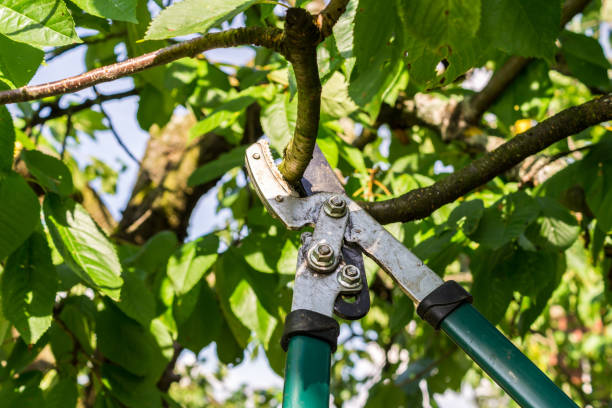
Tree is cut with pruning shears Tree is cut with pruning shears tree pruning stock pictures, royalty-free photos & images

Tips for Tree Pruning Akron OH Residents Need to Prevent Serious Hazards

A leaning tree on your property doesn’t automatically mean danger, but it’s essential to understand when the tilt becomes a serious safety issue. Trees can naturally grow at an angle or lean slightly due to various factors like wind, soil erosion, or root growth. However, certain signs indicate that the lean may pose significant risks to your home, nearby structures, or safety. Below are key considerations and actionable steps to determine when intervention is necessary.

Recognizing Signs of a Problematic Lean

  • A tree that begins leaning noticeably after a storm or high winds often signals structural instability. Sudden tilts indicate potential issues with the roots or trunk integrity.
  • A tree leaning more than 15 degrees from vertical is particularly concerning and often necessitates professional evaluation. Such severe angles are typically signs of compromised root systems.
  • Uprooted or exposed roots on one side of the tree suggest it is losing stability and could eventually fall. Monitor this closely if it progresses over time.
  • Visible cracks, splits, or cavities in the trunk near where it leans can weaken its structural support and increase the likelihood of failure.
  • Trees leaning toward buildings, driveways, utility lines, playgrounds, or other high-traffic areas pose a more significant hazard and should be addressed promptly.

Why Leaning Trees Can Be Dangerous

  1. Property Damage
    Falling trees can crush roofs, vehicles, fences, and other structures.
  2. Personal Safety Risks
    The collapse of a large tree may cause severe injuries if someone is standing nearby at the time of failure.
  3. Utility Interference
    Leaning trees near power lines risk causing outages or electrical hazards during storms if they fall onto wires.
  4. Legal Liability Issues
    Homeowners may be held liable for damages caused by hazardous trees on their property if they fail to address known dangers.

Steps for Assessment and Mitigation

  1. Professional arborists are trained to evaluate whether a leaning tree can be stabilized through cabling/bracing techniques or if removal is necessary.
  2. If immediate removal isn’t required but concerns remain about slow progression in lean angle or root damage progression—establish regular check-ups.

3.. Plan Proactive Care Measures such as mulching .

The Importance of Removing Large Dead Branches for Property Protection

Dead branches on trees may not initially seem like a major concern, but they can pose significant risks to both property and safety over time. Addressing the issue of large dead branches promptly is essential to minimize hazards, preserve the health of your trees, and protect your surroundings. Below, we discuss why removing these branches is crucial and how it benefits your property.

Potential Risks of Large Dead Branches

  • Property Damage: Dead branches are more prone to falling during storms or high winds. When they break off, they can land on roofs, vehicles, fences, or other structures.
  • Injury Hazards: A falling branch can pose serious risks to people nearby. Whether it’s family members, guests, or neighbors passing by your property, the danger cannot be overlooked.
  • Tree Health Impact: Dead branches can harbor pests such as termites or diseases that may spread to other parts of the tree or surrounding vegetation. This weakens overall tree health over time.

Benefits of Proactive Removal

  1. Eliminates the risk of falling limbs harming people or pets.
  2. Reduces potential liability concerns if someone outside your household is injured on your property.
  3. Prevents damage to rooftops, gutters, and outdoor structures caused by sudden branch falls.
  4. By trimming away deadwood, nutrients are directed toward healthy portions of the tree rather than wasted on lifeless growth areas.
  5. Removing unsightly branches improves the visual appearance of the tree and enhances overall landscaping appeal.

Indicators That Dead Branches Require Attention

Sign Description
Lack of Leaves Branches that fail to produce foliage during growing seasons indicate decay.
Bark Peeling Flaking bark or exposed inner wood signals structural weakening.
Visible Cracks Cracks along the branch may lead to breakage under minimal stress factors.
Fungal Growth The presence of mushrooms or mold suggests internal rot within the branch

Professional Tree Services vs DIY Solutions

  • Certified arborists assess tree stability before removing heavy limbs.
  • Professionals use climbing gear and rigging systems to ensure controlled removal without causing collateral damage.
  • They follow best practices in pruning techniques that encourage regrowth rather than harm remaining portions unnecessarily.

Investing in professional services ensures safe handling while maintaining long-term property value.

Removing large dead tree branches is an essential step in safeguarding both your home environment and personal well-being from avoidable hazards.

When Trunk Rot Signals It’s Time for Tree Removal

Trunk rot is a common yet serious condition that can compromise the structural integrity and health of a tree. While trees are essential for enhancing the beauty and value of your property, understanding when trunk rot has progressed to a dangerous stage is critical to ensuring the safety of your home, family, and surrounding landscape. Below, we delve into the key signs of trunk rot, why it’s dangerous, and what steps you should take if you spot it on your property.

What Is Trunk Rot?

Trunk rot, also known as heart rot or core decay, occurs when fungi invade the inner wood of a tree’s trunk. This type of decay often starts from wounds or damage to the bark, allowing fungi to infect the exposed wood. Over time, this weakens the internal structure of the tree while leaving its outward appearance deceptive in some cases.

Key Indicators of Trunk Rot

  • Visible Mushrooms or Fungal Growths: Fungi may appear along the base or on the trunk itself as discolorations or mushroom-like structures.
  • Hollow Sound When Tapped: Knocking on areas where trunk rot is present often produces a hollow echo.
  • Cracks and Cavities: Large cracks or open cavities in the trunk are classic symptoms caused by internal decay.
  • Discolored Bark: Affected trees may display dark streaks along their bark due to fungal activity.
  • Leaning Tree: A significant lean in combination with signs of interior rot could indicate imminent failure.

Why Trunk Rot Is Dangerous

  1. Structural Instability: A rotting trunk cannot support its weight effectively, increasing the likelihood that branches or even entire sections will fall unexpectedly.
  2. Property Damage: If located near buildings, vehicles, or fences, a collapsing tree can cause costly damage.
  3. Safety Risks: A weakened tree poses risks to individuals walking nearby during storms or high winds.
  4. Spread of Decay: Fungal infections responsible for decay can spread to neighboring trees if left untreated.

Steps To Take If You Suspect Trunk Rot

  1. Look for mushrooms growing near the base.
  2. Examine cracks or splits in bark surfaces.
  3. Hire a certified arborist who can assess whether removal is necessary based on severity.
  4. In cases where decay compromises safety significantly (e.g., near power lines), professional removal ensures peace-of-mind protection.
  5. Implement proper pruning techniques yearly; avoid accidental wounds exposing them fungal infections
Severity Level Recommendation
Minor Superficial Decay Routine monitoring & treating
Moderate effects inner core compromised Immediate evaluation


Understanding Tree Removal Akron OH: The Difference Between Removal and Trimming

Tree fallen on house and car

Tree care services often involve two common practices: tree removal and tree trimming. While these terms might seem interchangeable, they serve distinct purposes and address different needs. Understanding the difference between these two services is essential to ensure your property’s trees remain healthy, safe, and aesthetically pleasing.

What is Tree Removal?

Tree removal involves completely cutting down a tree and eliminating its presence from your property. This service is typically performed when a tree poses a safety risk, is dead or diseased beyond recovery, or obstructs construction or landscaping plans.

Key reasons for opting for tree removal include:
Safety Hazards: Trees that are leaning dangerously close to structures or power lines may need to be removed to prevent accidents.
Disease or Decay: A tree suffering from extensive disease or decay may no longer be viable for recovery and could spread issues to surrounding vegetation.
Overcrowding: When multiple trees compete for space, light, or nutrients, removing one can improve the health of others in close proximity. – Aesthetic Reasons: Sometimes homeowners choose removal for aesthetic purposes to clear space or open up views on their property.

What is Tree Trimming?

Tree trimming focuses on selectively pruning branches to improve the health, appearance, and safety of a tree without removing it entirely. This process helps maintain the structural integrity of the tree while fostering healthy growth and mitigating risks associated with overgrown limbs.

Reasons for choosing tree trimming include: – Promoting Healthy Growth: Removing dead or damaged branches allows resources like water and nutrients to be redirected efficiently toward healthy parts of the plant. – Improving Aesthetics: Regular trimming shapes a tree for a polished appearance that enhances the visual appeal of your landscape. – Preventing Property Damage: Branches encroaching upon roofs, windows, fences, or utility lines can be trimmed back before they cause harm. – Encouraging Sunlight Penetration: Pruning overgrown areas allows sunlight to reach lower branches and nearby plants.

Key Differences Between Tree Removal and Tree Trimming

Aspect Tree Removal Tree Trimming
Purpose Complete elimination of a tree Selective pruning of branches
Situations Dead/diseased trees; safety hazards Maintenance; improving health
Impact on Landscape Creates open space Enhances natural shape & structure
Frequency Performed occasionally as needed Requires regular maintenance

Which Service Do You Need?

Deciding between tree removal and trimming depends on several factors such as the health of the tree, its location on your property, its impact on surrounding structures/plants, and your overall landscape vision. While trimming can often address issues like overgrowth or minor damage, there are instances where complete removal becomes unavoidable due to safety concerns or irreparable conditions.

By working with professional arborists who understand these distinctions deeply, you can ensure proper care tailored specifically for your trees’ needs while improving your property’s safety and aesthetics at the same time.

The Benefits of Tree Pruning Akron OH for Healthy Growth

Tree trimming is an essential practice for maintaining the health, appearance, and safety of your trees. Proper trimming encourages healthy growth, prevents potential hazards, and enhances the overall aesthetic appeal of your property. Below is a discussion of its key benefits, along with best practices to ensure your trees thrive.

Benefits of Tree Trimming

  1. Regular tree trimming helps eliminate dead or diseased branches, allowing the tree to focus its energy on healthy growth.
  2. By removing overcrowded branches, air circulation improves within the canopy, reducing fungal growth and promoting light penetration.
  3. Overgrown or damaged branches can pose risks to structures, vehicles, and individuals on your property.
  4. Trimming prevents accidents caused by falling limbs during storms or high winds.
  5. Professionally trimmed trees look well-maintained and add curb appeal to your property.
  6. Shaping trees also ensures they maintain a balanced structure that complements landscaping designs.
  7. Deadwood attracts pests like termites and ants that can invade your property or harm other plants in the area.
  8. Removing infected branches minimizes the spread of diseases to healthier parts of the tree or neighboring vegetation.
  9. Pruning fruit trees stimulates new growth that leads to higher fruit yields over time. It also improves fruit quality by allowing sunlight to reach developing fruit more effectively.

Best Practices for Effective Tree Trimming

  • Trim at the Right Time: The timing of pruning depends on the type of tree:
  • For most deciduous trees: Late winter or early spring is ideal before new growth starts.
  • For flowering trees: Trim after their blooming period to avoid cutting off flower buds.
  • Avoid heavy pruning during fall as it may encourage weak late-season growth.
  • Use Proper Tools:
    Invest in quality tools such as pruning shears, loppers, or pole saws for clean cuts that don’t damage bark tissue.
  • Follow The “Crown Thinning” Technique:
    When thinning out branches:
  • Only remove up to 20–25% of a tree’s canopy at once.
  • Focus on cutting smaller limbs rather than large structural ones.

Common Mistakes to Avoid During Tree Trimming

Mistake Impact
Over-pruning Weakens overall structure and leaves tree vulnerable to diseases
Topping (cutting main trunk) Causes stress leading to unnatural growth patterns
Cutting Too Close Can create wounds that are harder for trees to heal
Ignoring Deadwood Allows decay and pests into healthy parts

Signs Your Tree Needs Trimming

  • Branches are crossing or rubbing against each other.
  • Excessive overgrowth blocks sunlight from reaching lower plants in your yard.
  • Deadwood appears within the canopy.
  • Branches are growing too close to power lines or structures.
  • The tree’s shape looks unbalanced due to uneven branch development.

By prioritizing regular upkeep through proper trimming techniques and timely intervention from professionals when needed, you can keep your landscape healthy while ensuring maximum safety around your property.

Discover the Advantages of Stump Removal Akron OH for Healthy Landscapes

Tree trimming, also known as pruning, is an essential part of maintaining healthy and attractive trees on your property. Regular trimming promotes growth, prevents diseases, and ensures the safety of your landscape. Below is a detailed explanation of the key benefits of tree trimming.

Promotes Healthy Growth

  • Improved structure and shape: Pruning helps trees maintain a balanced structure that supports long-term growth.
  • Increased sunlight exposure: Thinning out dense areas ensures sunlight penetrates evenly, which is crucial for photosynthesis.
  • Stronger root systems: Balanced nutrient distribution strengthens the roots, ensuring stability.

Prevents Disease and Pest Infestation

  • You stop diseases from spreading to healthy parts of the tree.
  • You prevent pests from damaging nearby vegetation.

Enhances Safety on Your Property

  • Removal of overhanging or weak branches.
  • Clearance from electrical lines or structures.
  • Prevention of falling debris during high winds or storms.

Improves Aesthetic Appeal

  • Enhanced curb appeal for residential properties.
  • Better integration with landscaping designs.
  • Contribution toward a more organized outdoor environment.

Frequency Recommendations for Tree Trimming

Type of Tree Recommended Frequency
Young Trees Every 1–2 years
Mature Trees Every 3–5 years
Fruit Trees Annually (for better yield)
Evergreen Trees As needed (minimal pruning)

Tips for Effective Tree Trimming

  1. Trim during dormant seasons (late fall or winter) unless dealing with hazards like broken limbs.
  2. Use proper tools such as hand pruners, loppers, or pole saws based on branch size.
  3. Avoid over-pruning; removing more than 25% of a tree’s canopy at once can harm its health.
  4. Consider consulting with certified arborists when dealing with large trees or complex issues.

By investing in routine tree trimming services tailored to your specific needs, you promote healthy growth while ensuring safety and aesthetics across your landscape properties.

How to Choose the Best Tree Removal Company Akron OH for Your Needs

When managing the trees on your property, it’s essential to make informed decisions about whether to remove or trim them. Both services offer specific benefits but are suited for different situations. Below, we explore how you can effectively decide between these options by evaluating different factors.

Understanding the Purpose of Tree Removal and Trimming

  1. Removes an entire tree from its roots.
  2. Addressed when a tree is dead, severely diseased, or poses a safety hazard.
  3. Often necessary for construction projects or when a tree obstructs utility lines.
  4. Focuses on pruning branches to promote healthy growth and structure.
  5. Helps eliminate deadwood and improve sunlight penetration.
  6. Aimed at maintaining the tree’s health while improving its appearance.

When to Opt for Tree Removal

You may need to consider removing a tree under certain circumstances, including:
Safety Concerns: If the tree leans dangerously close to structures, power lines, or heavily trafficked areas.
Diseased or Dead Trees: Trees suffering from irreparable damage from pests or disease could pose risks of falling limbs or complete collapse.
Space Constraints: When a tree disrupts landscaping plans or construction projects by encroaching on space. – Invasive Species: Some trees can dominate an area and prevent native plants from thriving.

When to Opt for Tree Trimming

Tree trimming is typically sufficient in scenarios such as these:
Overgrown Branches: When branches are overhanging roofs or pathways but the underlying structure of the tree remains strong and healthy. – Seasonal Maintenance: Regular pruning during appropriate seasons promotes growth and prevents overburdened branches. – Improving Aesthetic Appeal: Trimmed trees enhance curb appeal by creating symmetry in their overall shape and size. – Enhancing Sunlight Access: Thinning out dense foliage allows more sunlight to reach other plants below.

Decision-Making Checklist

Criteria Opt For Tree Removal Opt For Tree Trimming
Condition of the Tree Dead/Disease-ridden/Severely damaged Healthy with minor issues
Safety Risks High risk of collapse Minor concerns like small branches
Impact on Property Blocking renovation plans Branches interfering with windows
Desired Outcome Clear space completely Maintain health & aesthetics

Professional Assessment Is Key

While evaluating your options is critical, consulting with certified arborists ensures proper assessment of your tree’s condition and needs. Professionals use advanced tools and techniques that minimize risks during either service while maximizing results.

By carefully analyzing each situation based on health, safety risks, and long-term goals for your landscape design, you can confidently choose between removing a problematic tree or trimming it back into shape.

Storm Devastation

Important Factors to Consider Before Hiring a Tree Cutting Service Akron OH

Before deciding whether to remove or trim a tree, several important factors should be assessed. These considerations not only help determine the best course of action for your property but also ensure the health of surrounding trees and the safety of your home and landscape.

1. Tree Health and Condition

The health of a tree is one of the primary aspects to evaluate. A healthy tree can usually be trimmed to improve its structure or shape, while an unhealthy tree may require removal if it poses a risk.

  • Dead branches or extensive defoliation.
  • Fungal growth on the trunk or base.
  • Deep cracks or cavities in the trunk.
  • Leaning significantly in one direction.

If a tree is beyond recovery due to disease, decay, or pest infestation, removal is often necessary to prevent hazards.

2. Safety Concerns

  • Does it obstruct power lines or create visibility issues on roads?
  • Are branches at risk of falling during storms?
  • Is its root system damaging sidewalks, foundations, or underground utilities?

While trimming might resolve minor safety issues like overgrown branches, removal may be essential if structural instability is detected.

3. Environmental Impact

Trees play an essential role in contributing to environmental health by reducing carbon dioxide levels and providing habitats for wildlife. Before removing a tree, weigh its ecological benefits against potential hazards. Trimming may allow you to preserve this environmental asset while addressing specific concerns such as overgrowth.

4. Aesthetic Goals and Property Value

The appearance of your landscape can influence property value significantly. Overgrown trees with misshapen canopies might detract from curb appeal but can often be restored with strategic trimming practices. On the other hand, trees that are diseased or dying may negatively affect your property’s aesthetic appeal; removing them could enhance overall landscaping design.

5. Local Regulations and Permits

Factor Removal Trimming
Permit Requirement Often required for large/damaged trees Rarely required unless near power lines
Impact on Landscape Permanent change Temporary improvement

Failing to adhere to regulations could result in fines or other penalties.

6. Long-Term Costs

  • Tree Removal: Generally more expensive upfront but eliminates ongoing maintenance costs.
  • Tree Trimming: Requires periodic upkeep depending on species and growth rate but preserves the benefits of having mature trees on your property.

Final Thoughts

Ultimately, deciding between removing or trimming a tree involves balancing safety needs, aesthetics, environmental impact, financial considerations, and local regulations. Consulting with an arborist can provide valuable insights into what’s best for both your property’s needs and long-term sustainability goals.

Cost of Tree Removal and Trimming Services and Tips to Save Money

When it comes to maintaining your property, tree removal and trimming are essential services that help ensure the safety, health, and aesthetics of your landscape. However, these services can come with varying costs based on multiple factors. Understanding these costs and learning how to save money without compromising quality can make a significant difference.

Factors Influencing the Cost

  1. Larger trees typically cost more to remove or trim due to the increased labor, equipment, and time required.
  2. For example:
    | Tree Size | Average Cost (Removal) | Average Cost (Trimming) |
    |——————|————————–|—————————|
    | Small (Under 30 ft) | $150 – $400 | $75 – $300 |
    | Medium (30-60 ft) | $400 – $1,000 | $200 – $600 |
    | Large (Over 60 ft) | $1,000+ | $600+ |
  3. Diseased or damaged trees may require extra care during removal or trimming, increasing the overall cost.
  4. Trees located near power lines, buildings, or other structures may increase service complexity and costs due to heightened risks.
  5. Urban areas often have higher service rates due to labor costs compared to rural areas.
  6. If you need immediate tree removal after a storm or accident, expect additional fees for urgent scheduling.

Tips for Saving Money on Tree Services

  • Schedule Non-Urgent Work During Off-Seasons: Tree service companies tend to have more flexible pricing in late fall or winter when demand is lower.
  • Bundle Services: If you need multiple trees trimmed or removed, ask about discounts for bundling services during a single visit.
  • Perform Regular Maintenance: Routine trimming prevents overgrowth and reduces the likelihood of costly emergency removals.
  • Remove Debris Yourself: Some companies charge extra for hauling away branches and wood; handling this yourself could save you money.
  • Get Multiple Quotes: Compare estimates from at least three professional arborists before committing to a specific service provider.

Professional vs DIY

While it may be tempting to trim or remove trees yourself in an effort to save money, hiring professionals is highly recommended for safety reasons. Professionals have the expertise, tools, and insurance necessary to handle risky tasks efficiently—even if they cost more upfront.

For smaller trees that don’t pose significant risks (e.g., no proximity to structures), DIY trimming might be an option—but always prioritize safety by using proper equipment like sturdy ladders and protective gear.

Investing in professional tree removal or trimming services not only ensures better results but also saves time while reducing potential liability issues on your property. Carefully considering your options while implementing cost-saving measures can help make these essential services more affordable without sacrificing quality or safety.

Steps to Take When Planning for Tree Removal or Trimming on Your Property

Proper planning is essential when it comes to tree removal or trimming on your property. These steps ensure the safety of the surrounding area, efficiency in execution, and long-term health of your landscaping. Below is a comprehensive guide to help you prepare effectively.

1. Assess the Condition of the Tree

  • Health: Is the tree diseased, dying, or dead?
  • Size: Larger trees may require specialized equipment and expertise.
  • Proximity: Consider how close the tree is to buildings, utility lines, or other trees.
  • Purpose: Are you looking to improve aesthetics, remove hazards, or prevent overgrowth?

This assessment will help you determine whether trimming or complete removal is appropriate.

2. Consult with a Certified Arborist

  • Ensure they are certified by a recognized organization such as ISA (International Society of Arboriculture).
  • Request a detailed evaluation report outlining their recommendations.
  • Discuss potential impacts on surrounding vegetation and soil health.

3. Check Local Regulations and Permits

Regulation Type What It Includes
Permits May be needed for removing large or protected species.
HOA Guidelines Specific landscaping rules for your neighborhood.
Environmental Concerns Restrictions for endangered species habitat areas.

Failure to comply with regulations can result in fines or delays.

4. Evaluate Timing and Seasonal Factors

  • Tree Trimming: Best performed during dormant seasons (late fall or winter) when growth slows down and foliage is sparse.
  • Tree Removal: Can be done year-round but should avoid wet seasons when soil conditions make heavy equipment more challenging to use.

Planning ahead ensures reduced damage to lawns and better results overall.

5. Budget for Costs & Gather Quotes from Professionals

  1. Height/Width of Tree – Larger trees generally cost more due to increased labor.
  2. Equipment Needs – Cranes or lifts might raise prices compared with traditional tools.
  3. Risk Level – If a tree is near power lines or structures requiring extra caution.
  • Request quotes from at least three qualified providers.
  • Ask about discounts for bundling multiple services (e.g., trimming several trees).

6. Prepare Your Property Before Work Begins

  • Clear debris around the base of the tree(s).
  • Mark boundaries that workers should avoid during operations.
  • Notify neighbors if their properties may be affected by falling branches or loud noise.

These steps help minimize disruptions while ensuring a smooth operation.

7. Plan Post-Service Care

  1. Replanting: Consider replacing removed trees with new saplings suited for your region’s climate.
  2. Stump Grinding: Remove stumps entirely if left behind from removal processes.
  3. Soil Enrichment: Add mulch where necessary post-trimming/removal so soil nutrients aren’t depleted over time either naturally restored through compost etc..

Proper follow-up care helps maintain surrounding greenery healthy long-term

Steps to Take When Planning for Tree Removal or Trimming on Your Property

Proper planning is crucial when undertaking tree removal or trimming on your property. These tasks not only impact the aesthetics of your yard but also play a role in safety, property value, and environmental health. Below are essential steps to ensure a smooth and effective process.

Evaluate the Tree’s Condition

Before proceeding with any action, assess the current condition of the tree. This will help guide your decision on whether removal or trimming is necessary.

  • Dead or decaying branches.
  • Significant trunk damage, such as cracks or hollows.
  • A leaning posture that poses a risk to structures or people.
  • Root damage causing instability.
  • Overgrown branches encroaching on structures like roofs, fences, or utility lines.
  • Uneven growth affecting light distribution or aesthetics.
  • Branches obstructing pathways or views.

Understand Local Regulations

Many municipalities have regulations governing tree work. Failing to comply with these regulations can result in penalties.

  • Check if a permit is required for trimming or removing trees in your area.
  • Verify whether the tree is protected under local conservation laws.
  • Identify utility line clearance rules if applicable.

Hire Certified Professionals

Tree work can be dangerous and requires specialized expertise. A certified arborist ensures safe execution and proper care for remaining trees.

  • Look for professionals with certifications from organizations like the International Society of Arboriculture (ISA).
  • Request proof of insurance coverage to protect against liability during the job.
  • Read reviews and ask for references from previous clients.
Professional Services Benefits
Arborist Expert assessment & care advice
Tree Removal Specialist Safe dismantling & debris removal
Trimming Specialist Precise pruning techniques

Plan Around Seasonal Considerations

  • Winter is often ideal for both trimming and removal because trees are dormant, leading to less stress on healthy ones.
  • In warmer months, avoid trimming during active growth phases unless necessary for safety reasons.

By aligning with seasonal factors, you improve results while minimizing disruption to surroundings.

Prepare Your Property

  1. Remove outdoor furniture, vehicles, and valuables near the site.
  2. Clear debris like leaves or clutter around access points.
  3. Notify neighbors if there’s potential noise disturbance from equipment use.

Communicate Goals Clearly

  • Specify areas needing attention (e.g., branches overhanging patios).
  • Set clear priorities—safety concerns should always come first.
  • Confirm cleanup processes after completion (e.g., wood chipping versus full debris removal).

Open communication fosters alignment between you and professionals performing the work.

Planning ahead enables effective management of both tree health and property safety. By following these steps thoroughly, you’ll gain peace of mind knowing that all aspects are addressed responsibly.


How to Handle a Leaning Tree: Expert Tips for Tree Removal Akron OH

Tree branches going into a wood chipper machine after a storm A wood chipper machine is cleaning up branches on the ground after a wind storm. Tree removal stock pictures, royalty-free photos & images

A leaning tree in your yard may seem harmless at first glance, but it can pose serious risks to your property, safety, and the surrounding environment if left unaddressed. Understanding the causes of a leaning tree and knowing when to take action are crucial steps in preventing potential hazards.

Understanding Why Trees Lean: Insights from a Tree Removal Company Akron OH

Trees may lean for various reasons, and identifying the underlying cause is essential in determining how to address the issue. Common factors include:
Wind Damage: Strong winds or storms can uproot trees or shift their root systems, leading to instability.
Soil Erosion: Poor soil conditions or erosion around the base of a tree can weaken its foundation, causing it to tilt.
Root Damage: Construction work, pests, or diseases that affect the root system can reduce support for the tree.
Natural Growth Patterns: Some trees naturally grow at an angle due to competition for sunlight or uneven weight distribution in their canopy.

Protect Your Property with a Reliable Tree Cutting Service Akron OH

  1. A falling tree can damage homes, fences, vehicles, or utility lines. This is especially critical if the tree leans toward structures on your property.
  2. Depending on its size and position, a leaning tree poses significant risks to individuals nearby. Falling branches or complete collapse could cause injuries.
  3. A compromised tree might damage neighboring trees by falling onto them or spreading diseases through interconnected root systems.
  4. If a leaning tree falls onto neighboring properties due to neglect, you could be held liable for damages.

When Should You Take Action?

Warning Sign Description
Visible Root Exposure Exposed roots may indicate that the soil has shifted significantly beneath the tree’s base
Cracks at Base Cracks forming near the trunk’s base suggest structural instability
Sudden Lean If your tree begins leaning abruptly (e.g., after a storm), it could indicate imminent danger
Dead Branches Excessive deadwood in conjunction with leaning could mean disease-related decay

Steps for Addressing a Leaning Tree

  1. Inspect Carefully but Safely
    Assess whether the lean has worsened over time by comparing its current position with past photographs of your yard.
  2. Consult an Arborist
    Certified arborists are trained professionals who can evaluate whether stabilization techniques like cabling/bracing will suffice or if complete removal is necessary.
  3. Hire Professionals for Removal (if needed)
    Attempting DIY solutions without proper equipment increases risks; always prioritize professional expertise where large/damaged/unsteady-tree situations exist

Important Information Every Homeowner in Akron OH Should Know About Tree Pruning

Leaning trees in your yard may seem harmless at first glance, but they can pose significant risks to both property and personal safety. Understanding the potential dangers is essential for making informed decisions about whether to take action. Below is a detailed overview of why leaning trees should never be ignored and what every homeowner should know.

Potential Hazards of a Leaning Tree

  1. A leaning tree often indicates structural instability, which increases the likelihood of it falling during storms, heavy winds, or even under its own weight.
  2. Fallen trees can cause property damage, such as crushing roofs, damaging fences, or destroying vehicles.
  3. They also pose serious safety risks to anyone nearby at the time of collapse.
  4. If the tree is located near utility poles or power lines, a collapse could lead to power outages or electrical hazards.
  5. Interference with cables or wires may create fire risks or disrupt essential services.
  6. A leaning tree often develops weakened root systems on one side due to uneven weight distribution.
  7. Compromised roots may fail to anchor the tree securely in the soil, especially during adverse weather conditions.
  8. Homeowners are generally responsible for addressing hazardous trees on their property. Failure to act in a timely manner could lead to legal implications if someone gets injured or neighboring properties are damaged.
  9. Insurance companies may not cover damages caused by neglecting an identifiable hazard like a leaning tree.

Common Causes of Trees Leaning

Cause Description
Natural Growth Some trees grow at an angle naturally but remain stable over time.
Soil Erosion Loss of soil around roots destabilizes the base and causes tilting.
Storm Damage High winds or heavy precipitation can uproot part of the root system.
Root Decay/Disease Fungal infections or rot weaken root strength, leading to imbalance.

Indicators That a Leaning Tree Is Dangerous

  • The lean has recently appeared or worsened after extreme weather conditions.
  • Cracks are visible in the trunk or soil around the base.
  • The exposed roots appear decayed, brittle, or damaged.
  • Branches on one side seem sparse while others carry excessive weight.

Steps Every Homeowner Should Take

  1. Assess Stability
    Conduct regular visual inspections for signs of structural weakness.
  2. Avoid DIY Solutions
    Attempting to correct a lean without professional expertise can worsen the situation and increase risks.
  3. Call an Arborist
    Certified arborists have specialized tools and knowledge to perform thorough evaluations and recommend appropriate solutions like bracing, cabling, pruning, or removal.
  4. Monitor Ongoing Risks
    Even after professional intervention, monitor any changes in tilt angle over time for early warning signs.

Safeguard Your Property Today

A leaning tree poses numerous threats that grow more pronounced over time if left unaddressed. By understanding these dangers and seeking expert help when necessary, homeowners can protect their families while maintaining safe outdoor spaces.

How to Decide if a Particular Tree Requires Professional Removal Services

Deciding whether a tree on your property requires professional removal can be a challenging task. Trees contribute significantly to the aesthetic appeal of your yard, provide shade, and benefit the environment. However, certain situations make tree removal necessary for safety, health, or structural reasons. Below are key factors to consider when assessing whether a tree needs professional intervention.

Signs That a Tree May Require Removal

  1. Look for cracks in the trunk or large branches.
  2. Check for hollow areas in the trunk that may indicate internal decay.
  3. Fungal growth at the base of the tree is often a sign of rot.
  4. A significant lean, especially one that has developed suddenly, is often a warning sign.
  5. Roots exposed on one side could indicate instability and an increased risk of falling.
  6. Excessive deadwood throughout the canopy could mean the tree is near its end-of-life cycle.
  7. Branches without leaves during growing seasons signal poor health.
  8. Trees located too close to houses, fences, or power lines may pose risks such as property damage during storms.
  9. Uprooted soil around the base might indicate that stability has been compromised.
  10. Damaged roots due to nearby construction or disease can weaken the foundation of even large trees.

Benefits of Hiring Professional Arborists

  • Expert Evaluation: They can accurately determine whether removal is necessary or if alternative approaches (e.g., pruning) are viable.
  • Proper Equipment: Professionals use specialized tools like cranes or heavy-duty chainsaws for safe removal.
  • Preventive Measures: Arborists can identify risks before they escalate into emergencies.

When DIY Isn’t Enough

  • Large trees with extensive damage require specialized skills to remove safely.
  • If electrical lines are nearby, attempting removal without proper training could result in serious injury.
  • Trees with weak root systems located near structures demand calculated techniques to avoid collateral damage during takedown.

Quick Checklist: Does Your Tree Need Removal?

Question Yes No
Is more than 50% of the tree damaged?
Are there visible signs of decay (e.g., fungi)?
Is it leaning dangerously toward structures?
Are roots damaged by construction, erosion, etc.?

If you answered “Yes” to multiple questions from this checklist, it’s likely time to consult with professionals.

Understanding when professional intervention is needed helps mitigate risks while preserving your property’s beauty and safety balance effectively.

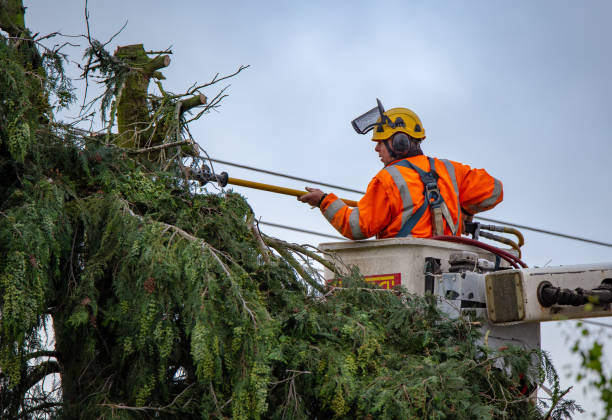
An arborist trims trees around power lines in New Zealand A tree surgeon prunes trees from a hoisted bucket around powerlines Tree removal stock pictures, royalty-free photos & images

Can a Leaning Tree Be Saved or Should It Be Removed? Expert Insights on What to Do

Leaning trees in your yard can be a cause for concern, especially when they pose potential risks to your property and safety. Deciding whether to save or remove a leaning tree depends on various factors, including the tree’s condition, the severity of the lean, and the potential hazards it presents. Below is an expert guide to help you make an informed decision.

Assessing the Severity of the Lean

Not all leaning trees are dangerous. Some trees naturally grow with a slight tilt due to environmental factors like wind or uneven soil. However, here are key considerations when assessing whether a leaning tree can be saved:
Angle of Lean: If the tree is leaning more than 15 degrees from vertical, it may indicate structural instability.
Recent Changes: A tree that has suddenly started leaning could signal root damage or soil erosion. Such changes often require immediate attention. – Proximity to Structures: Trees that lean toward homes, power lines, fences, or other structures pose significant risks and should be evaluated by a professional arborist.

Determining if the Tree Can Be Saved

In certain cases, it’s possible to stabilize or treat a leaning tree rather than removing it entirely. Consider these approaches:
1. Cabling and Bracing: For younger trees or trees with mild leans, installing support systems like cables or braces can help stabilize them over time.
2. Pruning for Balance: Strategic pruning can reduce weight on one side of the tree and help correct its alignment gradually. 3. Soil Improvement: If poor soil is causing instability, aerating and enriching the soil may encourage healthier root growth to anchor the tree more securely.

It’s essential to consult with certified arborists who can recommend appropriate solutions tailored to your specific situation.

When Removal is Necessary

Unfortunately, not all leaning trees can be saved. Removal might be unavoidable in these situations:
Compromised Root System: If roots are exposed, decayed, or damaged beyond repair due to storms or construction activities. – Diseased Tree: A diseased trunk or limbs significantly reduces structural integrity and heightens risk of collapse. – Imminent Hazard: Trees that pose immediate danger due to their proximity to high-risk areas (e.g., playgrounds or busy driveways) often need prompt removal.

Table: Factors for Saving vs Removing a Leaning Tree

Factor Save Remove
Angle of Lean Less than 15 degrees More than 15 degrees
Root Health Intact and strong Exposed or heavily decayed
Age of Tree Young sapling Mature with irreparable damage
Nearby Hazards None Structures/power lines nearby

Steps for Addressing a Leaning Tree

If you’re unsure about how best to proceed with a leaning tree in your yard:
1. Contact a certified arborist for an onsite inspection. 2. Discuss options such as stabilization versus removal based on their professional assessment. 3. Take prompt action if removal is recommended—delaying could increase risks and costs.

By thoroughly evaluating each situation with expert guidance, you’ll ensure both safety and sustainability in managing your landscape effectively.

Factors Affecting the Cost of Stump Removal Akron OH and How to Budget for It

Removing an unbalanced tree can vary greatly in cost depending on several factors. Homeowners often face challenges when estimating these expenses, as tree removal is influenced by many variables. Below, we’ll explore the costs associated with taking down a leaning or unbalanced tree and break down the factors that impact pricing.

Average Costs of Tree Removal

Tree Size Average Cost Range
Small (up to 25 feet) $150 – $500
Medium (25-50 feet) $500 – $1,000
Large (50-75 feet) $1,000 – $2,000
Extra Large (above 75 feet) $2,000+

Keep in mind that these are approximate figures. The final price depends on additional factors specific to each situation.

Key Factors That Influence Pricing

Several elements determine how much it will cost to remove an unbalanced tree from your property. Understanding these factors can help you budget more effectively.

1. Tree Size and Height

  • Larger trees are heavier and require more labor and equipment to remove.
  • The height of the tree also determines the type of tools or machinery needed for a safe removal.

2. Tree Condition

  • A dead or decaying tree is more hazardous to remove as it may be unstable and prone to sudden collapse.
  • Conversely, healthy but leaning trees may be easier (and less costly) to manage.

3. Location of the Tree

  • Trees that are near structures like houses, sheds, or fences require careful planning and additional safety measures.
  • If the tree is located near power lines or overhanging dangerous areas, specialized expertise will be needed.

4. Accessibility

  • If the tree is in a hard-to-reach location (e.g., a backyard with limited access), additional time and equipment may be required.
  • Urban environments where space is tight often lead to higher costs compared to open rural spaces.

5. Disposal Requirements

  • Once removed, disposing of wood and debris adds another layer of expense.
  • Some homeowners opt for stump grinding or removal services at an extra cost ranging between $100-$500 per stump.

Additional Costs To Consider

  • Emergency Service Costs: Emergency removals due to storms or immediate hazards can significantly increase prices—sometimes up to double normal rates.
  • Permits: Certain municipalities require permits for removing large trees or those deemed protected species.
  • Cleanup Services: Comprehensive cleanup services post-removal ensure your yard remains tidy but may add up in cost depending on debris volume.

Tips for Reducing Costs

  1. Obtain Multiple Quotes: Reach out to several certified arborists or professional services for competitive pricing.
  2. Time Your Removal: Schedule non-emergency removals during off-peak seasons when demand for services is lower.
  3. Bundle Services: If you have multiple trees that need attention, bundling them into one job can result in discounts.
  4. DIY Cleanup: Opting to handle some cleanup tasks yourself—such as gathering small branches—can cut down overall costs.

Removing an unbalanced or leaning tree is not only essential for protecting your property but also ensures safety for anyone nearby. While costs vary widely based on size, condition, location, and accessibility concerns, understanding these factors beforehand will help you prepare both financially and logistically for this important task.


Essential Warning Signs for Stump Removal Akron OH: When to Take Action

In the aftermath of a hurricane, a tree fell in the broke a tree with a was cut chainsaw Ecological disaster as result of tornado in the aftermath of hurricane, tree fell in the broke a tree with a was cut chainsaw Tree removal stock pictures, royalty-free photos & images

Trees are a vital part of any landscape, offering beauty, shade, and environmental benefits. However, there are times when tree removal becomes necessary to ensure safety and maintain property aesthetics. Being able to identify the warning signs that indicate a tree needs to be removed is crucial for homeowners.

1. Dead or Dying Trees

A dead or dying tree poses significant risks to your property and safety. Indicators of a dead or declining tree include:
– Absence of leaves during growing seasons.
– Brittle branches that easily snap.
– Visible decay or hollow sections in the trunk.

Such trees become unstable over time and can collapse during storms, potentially causing damage to nearby structures or people.

2. Structural Instability

Trees with structural issues may lean excessively, develop cracks in their trunks, or have weak branch unions. Warning signs include:
– A noticeable tilt not caused by natural growth patterns.
– Deep cracks along the trunk.
– Branches splitting away from the main structure of the tree.

If you observe these signs, it may indicate that the tree’s integrity has been compromised.

Structural Instability Checklist Signs
Leaning Tree Unnatural tilt towards one direction
Trunk Cracks Horizontal or vertical splits
Weak Branch Attachments V-shaped unions prone to breaking

3. Storm Damage

Severe storms can weaken trees by breaking branches or damaging roots. After extreme weather events:
– Inspect for damaged limbs hanging precariously.
– Check for uprooted roots or soil upheaval around the base of the tree.

Even if damage seems minor at first glance, professional consultation is advised as internal weaknesses may not be immediately visible.

4. Pest Infestations or Disease

Diseased trees often exhibit:
– Discolored leaves (yellowing out of season).
– Fungal growth along trunks or roots (such as mushrooms).
– Visible holes caused by burrowing insects.

If left untreated, diseases and pests can spread to nearby healthy vegetation, necessitating prompt removal of the affected tree.

5. Root System Issues

The stability of any tree depends on its root system. Symptoms that indicate compromised roots include:
– The appearance of exposed roots above ground caused by erosion. – Fungi growing near the base indicating root rot. – A leaning trunk combined with disturbed soil suggests weakened anchorage.

Compromised roots increase the likelihood of sudden collapse even without external forces like wind.

6. Proximity Concerns

Trees located too close to buildings, utility lines, driveways, or sidewalks can pose safety hazards over time:
– Roots can damage underground plumbing or crack paved surfaces. – Overhanging branches risk falling onto roofs during storms.

In such cases, removing these trees may help prevent costly repairs in the future.

Final Thoughts on Choosing a Tree Removal Company Akron OH

Monitoring your landscape for these warning signs allows you to make informed decisions regarding your trees’ health and safety needs promptly. Professional arborists can provide expert evaluations and recommend appropriate steps—whether it’s remedial care for saving a stressed tree or safe removal where necessary—to protect both your property and its surrounding environment effectively.

Expert Tree Removal Akron OH: Comprehensive Services for Homes and Businesses

Trees play a vital role in enhancing the aesthetic appeal, safety, and environmental quality of both residential and commercial properties. A dependable tree service provider can address all your tree care needs while ensuring your landscape remains healthy and visually appealing. Here, we explore various services that cater to both residential and commercial properties.

Professional Tree Cutting Service Akron OH for Residential Properties

  • Tree Trimming and Pruning
    Regular trimming helps improve the health of trees by removing dead or diseased branches. Pruning also enhances a tree’s shape, promoting balanced growth while reducing hazards like falling limbs.
  • Tree Removal
    Trees that are dead, diseased, or pose safety risks often need removal. Professional arborists ensure the removal is done safely and efficiently without damaging the surrounding property.
  • Stump Grinding
    After tree removal, stumps can become unsightly or obstructive. Stump grinding allows homeowners to reclaim valuable yard space for landscaping or other uses.
  • Emergency Storm Cleanup
    Severe storms can leave trees damaged or fallen. Emergency cleanup ensures quick removal of hazardous debris, reducing risks to people and structures.

Vital Tree Services for Commercial Properties

  • Land Clearing for Development
    For new construction projects, land clearing removes unwanted vegetation while preserving valuable trees that align with project plans.
  • Tree Risk Assessments
    Professional arborists assess potential hazards posed by mature trees near buildings, parking lots, or public walkways.
  • Large Tree Care
    Many commercial spaces feature large trees requiring specialized equipment for pruning or removal without disrupting business operations.

Benefits of Hiring a Professional Tree Service Provider

Benefit Description
Enhanced Safety Certified arborists follow industry standards to prevent accidents on-site
Improved Tree Health Expert care like pruning ensures trees remain healthy over time
Increased Property Value Well-maintained landscapes create positive impressions
Time Efficiency Professionals use advanced tools to complete tasks quickly

Signs You May Need Professional Tree Services

  • Overgrown branches near power lines
  • Deadwood visibly present in tree crowns
  • Fungal growth at the base or on trunks
  • Storm damage leaving broken limbs hanging dangerously
  • Trees leaning excessively toward structures

A reliable tree service provider addresses these issues promptly while offering expert advice tailored to your specific property needs. With comprehensive solutions available for both residential and commercial landscapes, maintaining the beauty and safety of your outdoor areas has never been easier.

Comprehensive Tree Services: Meeting All Your Residential and Commercial Needs

When it comes to maintaining trees on your property, whether for residential or commercial purposes, comprehensive tree services are essential for ensuring the health, safety, and aesthetic appeal of your outdoor spaces. Trees not only enhance the beauty of a property but also provide environmental benefits such as air purification and temperature regulation. However, without proper care and maintenance, they can become hazardous or detract from the value of your property. Below is an overview of what comprehensive tree services entail and why they are vital for both homeowners and businesses.

Key Components of Comprehensive Tree Services

  • Removes dead or overgrown branches
  • Improves light penetration to surrounding plants
  • Promotes healthy growth patterns
  • Eliminates hazardous or unwanted trees
  • Creates space for landscaping or construction projects
  • Prevents further damage to property caused by diseased or unstable trees
  • Ensures complete removal of stumps after tree removal
  • Prevents pest infestations in decaying stumps
  • Increases usable space on your property
  • Addresses storm-damaged trees that pose immediate threats
  • Includes stabilization or removal of fallen limbs
  • Identifies signs of disease, infestation, or structural weakness
  • Provides recommendations for treatment or remediation

Benefits for Residential Properties

  1. Enhanced Safety: Regular maintenance reduces risks posed by falling branches during storms.
  2. Improved Curb Appeal: Well-maintained trees can increase property value.
  3. Pest Prevention: Proper pruning reduces habitats for pests that could infiltrate your home.
  4. Lush Landscapes: Healthy trees contribute to vibrant outdoor spaces perfect for relaxation.

Benefits for Commercial Properties

  • Aesthetic appeal that creates a positive first impression on visitors.
  • Compliance with local regulations regarding landscaping standards.
  • Safe environments free from potentially dangerous overhanging branches.
Service Type Residential Benefit Commercial Benefit
Tree Pruning Enhances garden beauty Maintains professional appearance
Emergency Services Protects family from hazards Minimizes liability risks
Stump Grinding Increases yard usability Prepares land for future development

Why You Should Hire Professionals

  • Access to advanced tools such as aerial lifts and stump grinders.
  • Expertise in identifying problems like root rot or fungal infections.
  • Adherence to safety standards when removing large or precarious trees.

Comprehensive tree services play a pivotal role in preserving landscapes’ health while minimizing risks posed by neglected vegetation. Whether you own a small residential lot or manage a sprawling commercial campus, partnering with professional arborists ensures that your property’s greenery remains both safe and visually appealing year-round.

A man with a chainsaw is sawing a tree on a plot (cherry) A man with a chainsaw is sawing a tree on a plot (cherry) Tree removal stock pictures, royalty-free photos & images

Land Clearing Solutions for Safe and Efficient Property Development

Land clearing is a critical step in preparing a property for development, whether it’s for residential, commercial, or agricultural purposes. Removing trees, brush, and other vegetation ensures the land is ready for construction while maintaining safety and efficiency throughout the process. Here’s an in-depth look at land clearing solutions and their importance in property development.

What Is Land Clearing?

Land clearing involves removing trees, stumps, brush, and other obstructions from a property to make it suitable for new construction or landscaping projects. This process can range from selectively clearing specific areas to completely leveling an entire property. Professional land clearing services use advanced techniques and equipment to ensure the job is done safely and efficiently.

Benefits of Professional Land Clearing

  • Enhanced Safety
    Removing large trees or dense brush can pose significant safety risks if handled improperly. Professionals have the training and equipment to reduce hazards during the process.
  • Preparation for Construction
    Properly cleared land ensures that construction projects—such as homebuilding or roadwork—can proceed without delays caused by leftover debris or unstable terrain.
  • Environmental Considerations
    Specialists often take measures to minimize environmental impact by recycling usable wood materials or preserving protected plant species where possible.
  • Improved Aesthetics
    Clearing overgrown areas improves the appearance of a property, which can increase its value before selling or building on it.

Types of Land Clearing Methods

Method Description Best For
Manual Clearing Involves removing vegetation by hand using tools like chainsaws and axes. Small-scale projects with minimal growth
Bulldozing Utilizes heavy machinery like bulldozers to clear large areas quickly. Medium-to-large-scale developments
Burning Controlled fires are set to remove brush and small trees. Rural areas with limited environmental risks
Forestry Mulching Specialized equipment grinds up vegetation on-site into mulch that can be left behind as fertilizer. Eco-friendly options for medium-sized plots

Steps Involved in Land Clearing

  1. Site Assessment
    Professionals evaluate your property to identify obstacles such as large trees, utility lines, rocks, or environmentally sensitive areas.
  2. Planning & Permits
    Depending on local regulations, you may need permits before beginning work. Experts help ensure compliance with these requirements.
  3. Vegetation Removal
    Trees, shrubs, stumps, and roots are removed using appropriate methods based on site conditions.
  4. Debris Management
    Cleared materials are often hauled away for disposal or recycled into mulch or firewood as part of sustainable practices.
  5. Final Grading & Erosion Control Measures
    The ground is leveled after debris removal so it’s ready for further development while minimizing soil erosion risks.

Environmental Impact Considerations

  • Avoid excessive deforestation by leaving buffer zones of natural vegetation.
  • Work with arborists to identify which trees can be preserved.
  • Use mulching techniques when possible instead of burning waste.

Responsible practices help balance property development needs with ecological preservation efforts.

Why Hire Professionals?

Attempting DIY land clearing may seem cost-effective but often results in safety hazards or mistakes that delay your project timeline. Professionals bring expertise along with specialized tools like excavators and mulchers—saving you time while ensuring quality results that comply with legal standards.

By relying on skilled contractors who understand local regulations and best practices in site preparation strategies, you’ll achieve safe outcomes tailored specifically for your property needs without unnecessary setbacks or expenses associated with errors caused by inexperience.

Recognizing Structural Damage in Trees Caused by Storms and How to Address It

Storms can cause significant damage to trees, posing safety risks and affecting the aesthetics of your landscape. Recognizing the warning signs of structural damage in trees is essential for maintaining a safe environment and protecting your property. Below, we explore how storms impact tree structure, signs of storm damage, and the best steps to address these concerns.

Common Types of Tree Damage Caused by Storms

  • Broken Branches: High winds or the weight of ice/snow often result in snapped limbs. These broken branches can fall unpredictably, creating hazards.
  • Split Trunks: Some storms may cause deep splits in a tree’s trunk, significantly weakening its stability.
  • Uprooted Trees: Severe storms may loosen a tree’s root system causing it to lean or completely uproot.
  • Crown Damage: The uppermost portion of a tree (the crown) may lose many branches or leaves due to extreme weather conditions.

Signs of Structural Tree Damage

  1. A sudden lean after strong winds or flooding indicates compromised roots.
  2. Trees leaning more than 15 degrees from vertical are generally unsafe.
  3. Look for large branches that are dangling precariously.
  4. These “widow-makers” pose an immediate risk to people and structures below them.
  5. Visible splits along the trunk reduce structural integrity.
  6. Deep or extensive cracks often necessitate professional evaluation.
  7. Check if roots have been unearthed due to soil erosion or flooding.
  8. Exposed roots indicate instability and could lead to collapse.
  9. Mushrooms or fungi sprouting on damaged parts signal decay within the structure.
  10. Sometimes foreign objects like wires or debris get stuck during storms; their presence can strain branches further over time.

Steps for Addressing Storm-Damaged Trees

  1. Ensure Immediate Safety
    Prioritize removing hazardous elements such as hanging limbs that could fall at any moment.
  2. Consult with an Arborist
    For complex issues like trunk cracks or leaning trees, seek guidance from certified arborists who can evaluate whether removal is necessary versus corrective pruning techniques.
  3. Tree Pruning
    Remove weakened branches with proper pruning methods that prevent further harm while encouraging healthy regrowth.
  4. Inspect Root Systems
    If roots appear compromised but salvageable, soil stabilization methods such as mulching around the base may help restore strength over time.
  5. Tree Removal (if Necessary)
    When restoration isn’t feasible due to extensive structural failure, safe removal becomes essential—especially near homes or power lines where risks multiply rapidly during future storms.

Table: When Should You Call a Professional?

Tree Condition Action Needed Contact Professional?
Small broken limbs Prune safely using proper tools Optional
Large hanging branches Remove immediately to avoid hazards Yes
Lean greater than 15° Assess stability; consider removal Yes
Visible trunk cracks Evaluate depth; monitor closely Yes
Uprooted trees Requires full removal Yes

By proactively assessing damaged trees and addressing issues effectively after storms, you ensure both safety and long-term health for your landscape’s greenery.

Man sitting on a large tree branch using a chainsaw to cut it down A landscaper is cutting down a tree sitting on a large branch using a chainsaw to cut down other branches of the tree. Tree removal stock pictures, royalty-free photos & images

Identifying the Signs of Disease or Infestation in Trees and When to Call an Expert

Trees play a vital role in maintaining healthy ecosystems, providing shade, improving air quality, and enhancing property aesthetics. However, like all living organisms, trees can fall victim to diseases and infestations. Recognizing early signs of these issues is crucial to preserving tree health and preventing larger problems. Here are ways to identify common symptoms of disease or infestation and when it’s time to consult a professional arborist.

Common Signs of Disease in Trees

  • Discolored Leaves: Watch for yellowing or browning leaves outside their normal seasonal changes.
  • Premature Leaf Drop: Trees shedding leaves earlier than usual may indicate underlying stress or disease.
  • Cankers: Sunken areas on branches or trunks can suggest fungal infections.
  • Wilting Branches: If parts of the canopy appear droopy or lack vitality, it may signal root damage or vascular diseases like Dutch Elm Disease.
  • Fungal Growths: Visible mushrooms or conks at the base of the trunk often point to internal decay.
  • Peeling Bark: Bark that cracks or separates from the trunk could indicate structural weakness caused by infection.

Indicators of Pest Infestations

  • Holes in Bark or Branches: Small holes may indicate boring insects such as beetles.
  • Sawdust-Like Residue (Frass): A sign that pests are boring inside the tree’s wood.
  • Chewed Leaves: Caterpillars and other leaf-eating pests can leave visible bite marks on foliage.
  • Sticky Sap (Honeydew): This could result from aphids feeding on sap and leaving a sticky residue behind.
  • Egg Clusters or Larvae Presence: Inspect under leaves for small eggs or larvae.

When Should You Call an Expert?

  1. The tree displays extensive canopy loss (over 30%).
  2. You notice structural instability (e.g., leaning) alongside signs of disease.
  3. Pest infestations persist despite treatment attempts.
  4. Multiple trees in your yard exhibit similar symptoms—indicating potential widespread infection.
  5. The tree is near power lines, buildings, or other structures where falling branches pose safety risks.

How Professionals Diagnose Tree Health

Diagnostic Method Purpose
Visual Inspection Identifies external symptoms like discoloration or holes
Soil Testing Assesses nutrient deficiencies contributing to poor health
Resistograph Testing Detects internal decay within trunks
Pest Identification Determines specific species causing infestation

By employing these methods, experts can provide tailored treatments that address both current problems and future prevention.

Recognizing early signs of disease and infestation is essential for maintaining healthy trees on your property. Regular monitoring combined with prompt intervention ensures trees remain safe and thriving assets for years to come. Always rely on certified professionals when issues escalate beyond basic observation, as their expertise ensures effective solutions while safeguarding surrounding environments.

The Importance of Tree Pruning Akron OH for Construction and Landscaping Projects

Proper tree removal is a critical aspect of construction and landscaping projects. While trees add beauty, value, and ecological benefits to any property, they can also pose challenges during development or renovation. Removing a tree without proper planning can lead to safety issues, project delays, or even legal complications. This section will explore why professional and thoughtful tree removal is essential for successful construction and landscaping efforts.

Enhancing Site Preparation

  • Roots interfering with foundations: Tree roots can extend far beyond the visible trunk and interfere with underground utilities, building foundations, or pavement installation.
  • Canopy interference: Large overhanging branches can disrupt equipment operation or block sunlight needed for other plants in a landscaped area.
  • Space limitations: Mature trees often take up significant space that could otherwise be used for structures like patios, driveways, or garden features.

By clearing the necessary areas efficiently, property owners and contractors can ensure smoother progress on their projects.

Protecting Safety During Development

  1. Dead or unstable trees may collapse unexpectedly during excavation work.
  2. Entangled branches could hit workers or damage equipment during heavy machinery movement.
  3. If improperly removed, large limbs could fall unpredictably.

Engaging professionals ensures that proper techniques are used to mitigate risks while preserving surrounding vegetation where possible.

Preventing Long-Term Structural Damage

Potential Issue Example Impact Solution
Root Growth Cracked sidewalks or driveways Remove invasive root systems at the start of projects
Branch Encroachment Roof damage caused by limbs scraping surfaces Remove branches posing potential risks
Pest Harborage Infestations near homes from decaying wood Eliminate diseased or infested trees

Proper tree removal before initiating your project minimizes these risks early on.

Supporting Aesthetic Goals

For landscaping projects specifically, achieving a cohesive design often requires selective tree removal. Removal helps ensure compatibility between existing vegetation and new plantings while optimizing sunlight distribution across the entire area. This step not only improves aesthetics but also promotes healthier growth patterns among surrounding greenery.

Legal Compliance Considerations

In many jurisdictions, there are regulations governing which trees may be removed from private properties due to environmental impact concerns. Hiring certified arborists familiar with local laws ensures your project stays compliant while respecting protected species requirements when applicable.

By addressing all these aspects thoughtfully through professional tree services tailored to your needs ensures both immediate functionality & sustainable designs into planning stages seamlessly.